





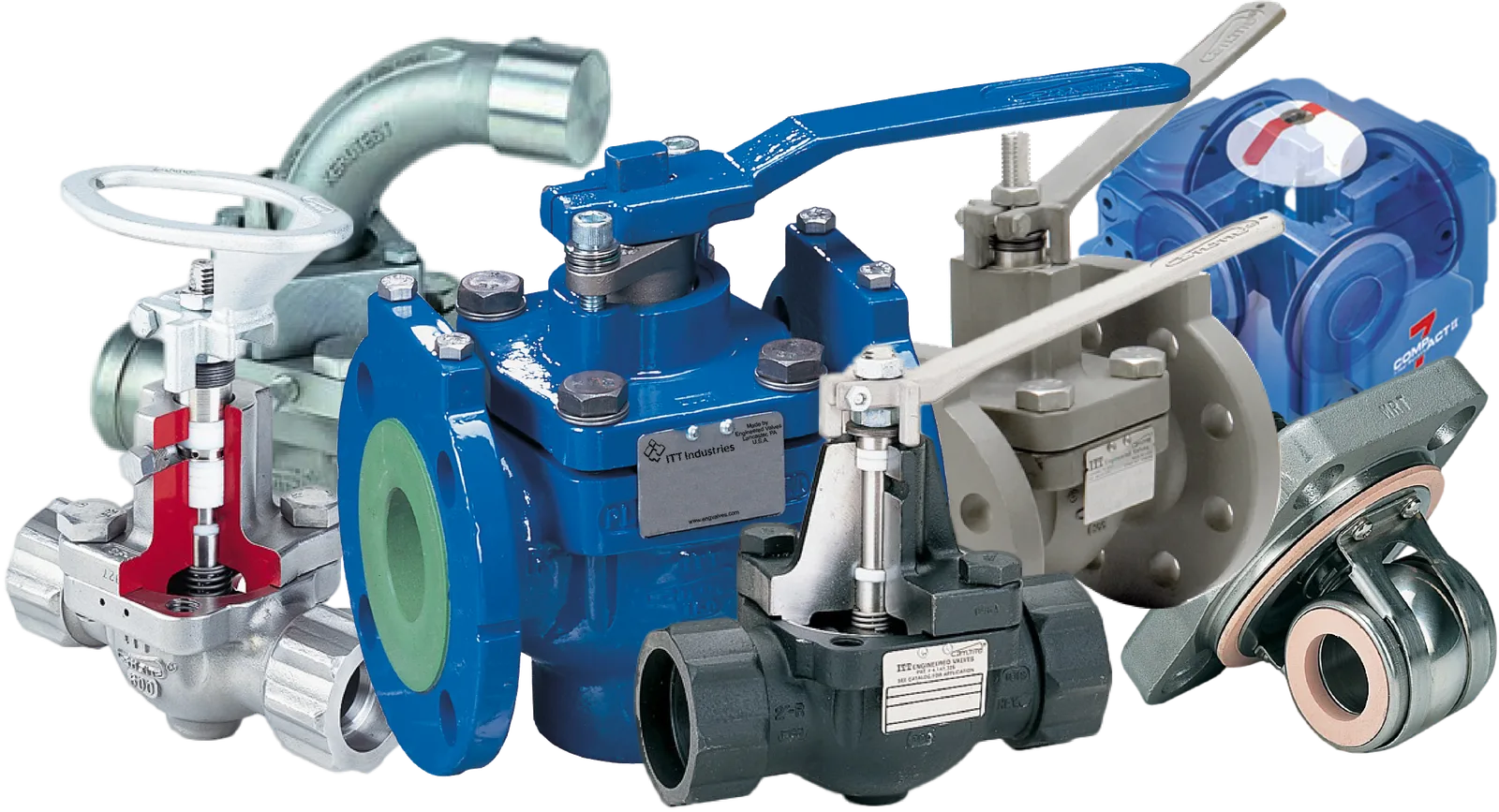
Ball valves deliver fast on/off flow control, low leakage, and high reliability across a wide range of pressure and temperature conditions, making them a preferred choice in many industrial sectors.
In industrial piping systems, controlling fluid flow is a critical aspect of maintaining process efficiency, workplace safety, and operational reliability. One of the most widely used valve types for these requirements is the ball valve.
Ball valves are known for their ability to open and close flow quickly, their low leakage rates, and their capacity to operate across a wide range of pressure and temperature conditions. These characteristics make ball valves a preferred choice across many industrial sectors, from oil and gas, petrochemicals, water treatment, and power generation to food and beverage and general manufacturing.
As a company that provides valve, instrumentation, and industrial control system solutions, PT Fluindo Technology Indonesia understands that every application has different requirements. For this reason, selecting a ball valve must take into account fluid characteristics, operating conditions, industry standards, and long-term reliability targets.
What Is a Ball Valve?
A ball valve is a quarter-turn valve that uses a bored ball as its main element to regulate fluid flow. This mechanism allows the valve to open or close the flow with just a 90-degree turn of the handle or actuator.
When the bore in the ball is aligned with the direction of flow, fluid can pass through with very little resistance. Conversely, when the ball is rotated perpendicular to the direction of flow, the fluid path is fully closed, allowing the process to be stopped safely.
This simple yet effective design gives the ball valve high performance with relatively low maintenance requirements.
How a Ball Valve Works
The working principle of a ball valve relies on rotating the ball inside the valve body. The ball is connected to a stem, which in turn links to a manual handle or an automatic actuator.
The main components of a ball valve include:
- Body
- Ball
- Stem
- Seat
- Seal
- Handle or actuator
When the handle is turned 90 degrees, the stem rotates the ball so that the position of the bore changes according to the direction of rotation. The advantages of this mechanism include:
- Fast operating time
- Tight shut-off
- Low flow resistance (pressure drop)
- Easy integration with industrial automation systems
The Function of Ball Valves in Industrial Systems
Ball valves serve several important functions in piping systems, including:
- Isolating fluid flow, stopping the flow during maintenance, inspection, or emergency situations.
- Controlling fluid distribution, directing the flow of media to various process equipment in complex piping systems.
- Supporting operational safety, good sealing capability reduces the risk of leakage, especially with high-pressure fluids or chemicals.
- Supporting industrial automation, they can be combined with pneumatic or electric actuators for automatic control systems.
Types of Ball Valves
The choice of ball valve type depends on the requirements of the application.
- Full Port Ball Valve, the bore diameter matches the pipe diameter, resulting in a very low pressure drop.
- Reduced Port Ball Valve, the opening is smaller than the pipe diameter, commonly used in applications that do not require maximum flow capacity.
- Floating Ball Valve, a floating ball design that provides good sealing for low- to medium-pressure applications.
- Trunnion Ball Valve, the ball is supported by a trunnion for large-diameter, high-pressure applications with more stable operating loads.
- V-Port Ball Valve, used when an application requires more precise flow rate control.
Advantages of Ball Valves
- Fast on/off operation
- Low leakage rates
- Long service life
- Relatively easy maintenance
- Suitable for a wide range of media
- Usable in both manual and automated systems
- Good resistance to pressure and temperature within their rated specifications
Ball Valve Applications
Ball valves are widely used across many industrial sectors, such as:
- Oil and gas
- Petrochemicals
- Clean water and wastewater treatment
- Power generation
- Food and beverage industry
- Pharmaceutical industry
- Mining
- Pulp and paper
- HVAC systems
- General manufacturing
Each industry has different process characteristics, so the valve specifications must be selected to match the operating conditions of each application.
Factors to Consider When Selecting a Ball Valve
To keep system performance optimal, the following aspects should be taken into account:
| Factor | Consideration |
|---|---|
| Fluid Type | Water, gas, oil, steam, slurry, or chemicals |
| Working Pressure | In accordance with the system's pressure rating |
| Temperature | Matched to the operating conditions |
| Material | Stainless steel, carbon steel, brass, or specialized materials |
| Size | Following the pipe diameter |
| Connection Type | Threaded, flanged, socket weld, or butt weld |
| Operating System | Manual, pneumatic, or electric |
Selecting the right valve improves operational efficiency while reducing the risk of downtime.
Ball Valve Solutions from PT Fluindo Technology Indonesia
As a provider of solutions for industrial valve requirements, PT Fluindo Technology Indonesia offers a wide range of products designed to meet application needs across various industrial sectors.
The technical team at PT Fluindo Technology Indonesia helps customers determine the appropriate valve specifications based on process parameters such as fluid type, working pressure, operating temperature, material, and operating method. This approach ensures that every solution delivers optimal performance, long-term reliability, and operational cost efficiency.
In addition to supplying products, PT Fluindo Technology Indonesia also provides technical support throughout the selection, installation, and operation phases, so that customers obtain a solution that fits the needs of their application.
Conclusion
The ball valve is one of the essential components in industrial piping systems because it offers fast operation, low leakage rates, and high reliability. With a wide range of designs, materials, and configurations available, ball valves can be used in diverse industrial applications with differing process characteristics.
Selecting the right ball valve requires an understanding of the operating conditions and system requirements. With its experience in providing industrial valve and instrumentation solutions, PT Fluindo Technology Indonesia is ready to support customer needs through quality products and technical services focused on reliability, safety, and operational efficiency — talk to our engineers about your service conditions, or browse our rotary equipment, valves, sealing devices, and heat exchangers.
Need help selecting the right valve?
Match the right valve type, material, and configuration to your process conditions.