





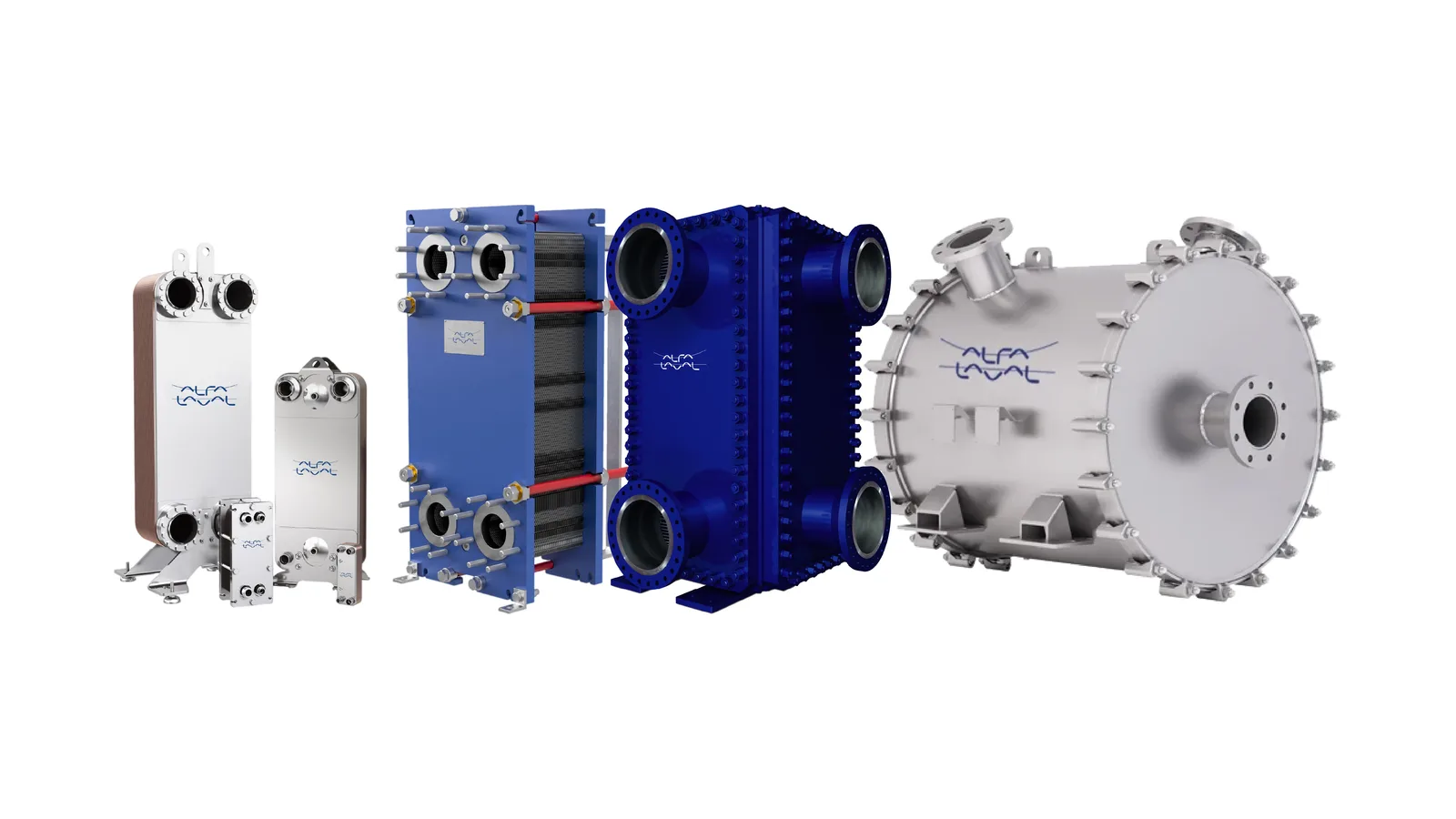
The pulp & paper industry needs reliable heat transfer at almost every production stage. Learn how a Plate Heat Exchanger (PHE) works, where it is applied in a pulp and paper mill, and why it outperforms shell and tube.
The pulp and paper industry is one of the most energy-intensive manufacturing sectors. Almost every production stage, from pulping, bleaching, and washing to paper drying, requires a reliable heat-transfer system. Choosing the right heat exchanger technology is therefore a key factor in maintaining operating efficiency while controlling energy costs.
One solution widely used by modern pulp and paper mills is the Plate Heat Exchanger (PHE). Compared with conventional heat exchangers, this technology offers higher heat-transfer efficiency, a more compact design, and easier maintenance. This article covers the function, applications, and benefits of using a Plate Heat Exchanger in the pulp and paper industry.
What Is a Plate Heat Exchanger?
A Plate Heat Exchanger (PHE) is a heat-transfer device made up of a series of thin metal plates stacked in layers. Between each plate are separate flow paths for the hot fluid and the cold fluid, so they do not mix yet can still exchange heat energy efficiently.
The corrugated plate shape creates turbulent flow, increasing the contact area between the fluid and the plate surface. This makes heat transfer faster than in many other types of heat exchanger. The plates are usually made of stainless steel, titanium, or special materials with high resistance to corrosion and to the chemicals commonly used in the pulp and paper industry.
Why the Pulp & Paper Industry Needs Plate Heat Exchangers
Pulp and paper production requires consistent temperature control to keep product quality steady. If the heat-transfer system does not work optimally, steam consumption rises, energy costs increase, and production efficiency drops.
A Plate Heat Exchanger helps address these challenges by improving heat-transfer efficiency and recovering energy that was previously wasted. With a more efficient system, a mill can reduce boiler fuel consumption, lower operating costs, and support sustainability targets through reduced carbon emissions.
In addition, the modular design of a Plate Heat Exchanger allows capacity to be adjusted as production needs grow, making the investment more flexible over the long term.
Plate Heat Exchanger Applications in a Pulp & Paper Mill
Plate Heat Exchangers are used in a range of important processes in a pulp and paper mill, including:
Black Liquor Heat Recovery
In the chemical recovery process, black liquor still holds a large amount of heat energy. With a Plate Heat Exchanger, that heat can be recovered to warm other process fluids. This helps reduce steam demand while improving the mill's energy efficiency.
White Water Heat Recovery
Process water, or white water, leaving the paper machine still has a high temperature. Through a Plate Heat Exchanger, the heat from white water can be transferred to fresh water that will be reused in production. This reduces energy consumption while improving the efficiency of water use.
Cooling System
Various equipment such as bearings, gearboxes, hydraulic systems, and lubricating oil require stable cooling. A Plate Heat Exchanger delivers high cooling performance in a more compact size than conventional cooling systems.
Steam Condensate Recovery
Condensate from steam use still contains heat energy that can be recovered. A Plate Heat Exchanger lets the heat from condensate be used to warm boiler feed water, so boiler fuel consumption can be reduced.
Advantages Over Shell and Tube Heat Exchangers
Although Shell and Tube Heat Exchangers are still widely used across industries, Plate Heat Exchangers offer several advantages for pulp and paper mill applications.
| Aspect | Plate Heat Exchanger | Shell and Tube |
|---|---|---|
| Heat-transfer efficiency | Very high | Moderate |
| Size | Compact | Larger |
| Maintenance | Easy to open and clean | More complex |
| Capacity flexibility | Easy to add plates | Limited |
| Operating cost | Lower | Relatively higher |
Higher heat-transfer efficiency lets a Plate Heat Exchanger reduce energy consumption while speeding up production. Its modular design also makes it easy to adjust capacity without replacing the entire unit.
Factors to Consider When Selecting a Plate Heat Exchanger
For the investment to deliver the best return, several aspects should be considered when selecting a Plate Heat Exchanger:
- Plate material: match it to the process-fluid characteristics. General applications typically use stainless steel, while more corrosive fluids may require titanium or other special materials.
- Gasket type: gaskets keep the fluids from mixing, so they must resist the temperature, pressure, and chemicals used in the process.
- Heat-transfer capacity: the heat exchanger size must match the heat-transfer requirement. A unit that is too small reduces performance, while one that is too large unnecessarily increases the investment cost.
- Operating pressure and temperature: make sure the specification matches the plant's operating conditions so the equipment runs safely and lasts a long time.
Tips to Maximize Plate Heat Exchanger Life
Beyond selecting the right unit, routine maintenance is essential to keep a Plate Heat Exchanger performing well. Some steps you can take include:
- Carry out periodic inspection of the plate and gasket condition
- Clean fouling or deposits routinely using the appropriate method
- Monitor operating pressure and temperature so they stay within design limits
- Replace damaged gaskets or plates before they cause leakage
- Use water and process fluids of suitable quality to minimize scale formation
With a good preventive maintenance program, the life of a Plate Heat Exchanger can be extended while keeping heat-transfer efficiency optimal.
Conclusion
In the pulp and paper industry, energy efficiency is one of the main factors affecting production cost and a company's competitiveness. The Plate Heat Exchanger offers an effective solution through its high heat-transfer capability, compact design, and ease of maintenance.
This technology can be applied across a range of important processes, from black liquor heat recovery and white water recovery to cooling systems and steam condensate recovery. With the right specification and a scheduled maintenance program, a Plate Heat Exchanger helps a mill improve operating efficiency, reduce energy consumption, and support its sustainability targets.
Plate Heat Exchanger FAQ
- What is the main function of a Plate Heat Exchanger in pulp and paper? To transfer heat between fluids efficiently, helping to save energy and keep the production process stable.
- What are the advantages of a Plate Heat Exchanger over Shell and Tube? Higher heat-transfer efficiency, a more compact size, easier cleaning, and lower operating cost.
- Where is a Plate Heat Exchanger used in a paper mill? Key applications include black liquor heat recovery, white water recovery, cooling systems, and steam condensate recovery.
- How do I select the right Plate Heat Exchanger? Consider the plate material, gasket type, heat-transfer capacity, working pressure, operating temperature, and the characteristics of the fluid used.
- Why is Plate Heat Exchanger maintenance important? Routine maintenance helps prevent fouling, maintain heat-transfer efficiency, reduce downtime risk, and extend equipment life.
Discuss Your Plate Heat Exchanger Requirements
Specify the right plate material, gasket type, and capacity for your process and energy-efficiency targets.