
SLV
Y-Type Strainer
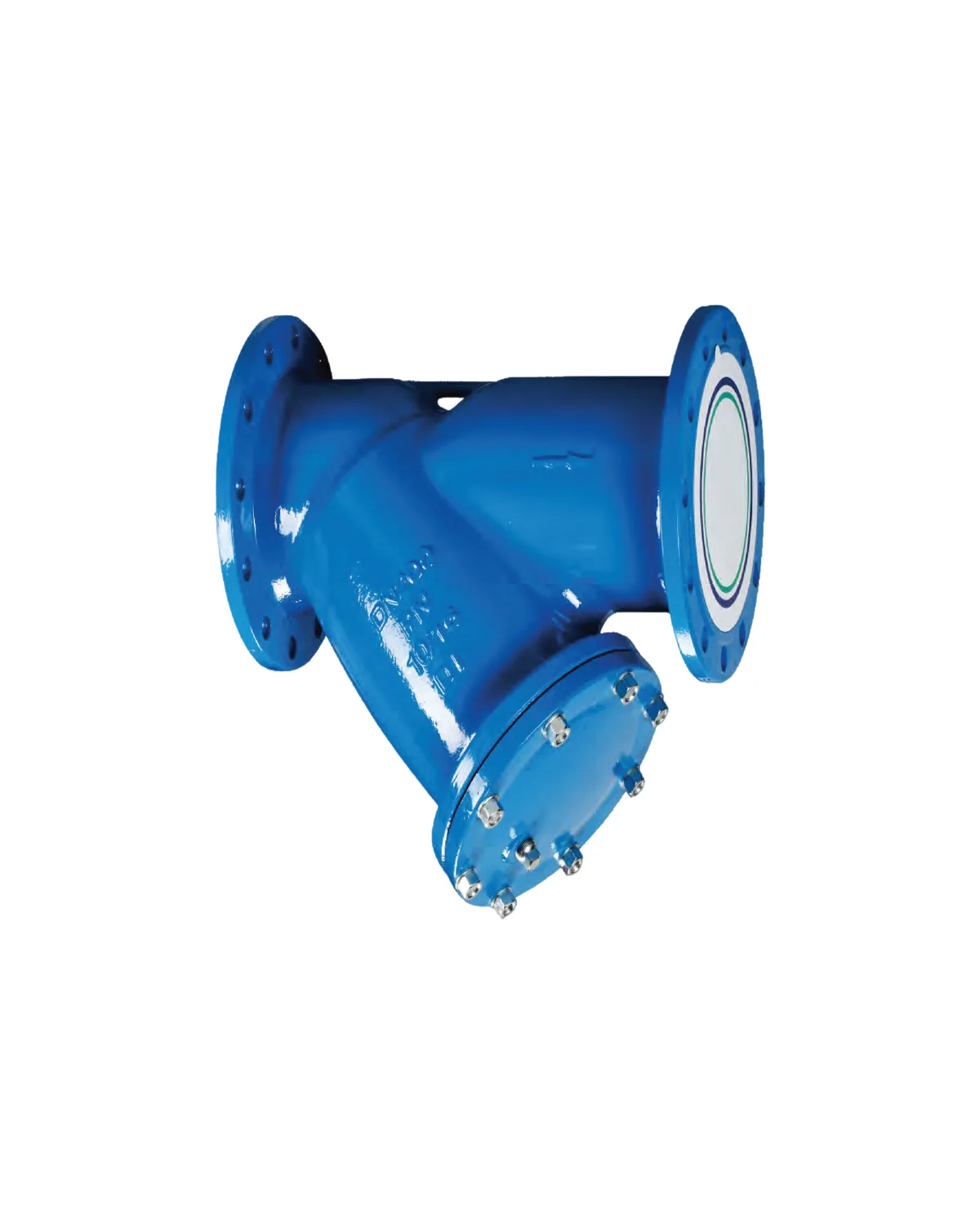
The SLV Y-Type Strainer is a simple pipeline filter whose angled, perforated screen catches pipe scale, rust, weld slag and other debris before it reaches sensitive equipment. It is inexpensive insurance for the pumps, valves and meters installed downstream.
Product Benefits
- Protects downstream equipment: Debris in a new or aging pipeline is one of the most common causes of damaged pump impellers, scored valve seats and fouled meters.
- Cheap insurance: A Y-strainer intercepts that debris continuously and costs a fraction of the equipment it protects.
- Easy screen access: The Y-pattern body keeps the screen accessible through a single bonnet, so cleaning is a quick, routine job rather than a dismantling exercise.
- Durable construction: With bodies in ductile iron or stainless steel and a stainless screen, the strainer itself stands up well to the media it filters.
Where It's Used
- Upstream of sensitive gear: Y-strainers are fitted immediately upstream of equipment that dirt would harm: pumps, control valves, steam traps, flow meters and spray nozzles.
- Water, steam and oil: They serve across water, steam and oil systems in buildings and industrial plants alike.
- Mesh to suit the medium: The screen mesh is chosen for the fluid: relatively coarse for water service, finer for steam, and finest for oil.
- One body, many fluids: The same body pattern covers very different fluids simply by changing the screen.
Good to Know
- Material options: Body and bonnet come in ductile iron or stainless steel with a stainless steel screen, and sealing rings are available in rubber compounds such as EPDM and NBR.
- Corrosive service: Pick stainless construction where the medium or environment is corrosive, and match the sealing ring to the fluid and temperature.
- Plan screen cleaning: A strainer only protects while its screen is clear, so schedule periodic cleaning from day one.
- Watch for clogging signs: A badly clogged screen shows up as unexplained pressure drop or starved equipment downstream.
- Inspect after commissioning: New pipelines shed the most debris, so inspect more frequently in the first weeks of service.